Comprehensive Guide to Sensory Marketing for Retail Success
Understanding Sensory Marketing
Sensory marketing is a strategy that engages customers' senses to enhance their shopping experience. By appealing to sight, sound, touch, taste, and smell, retailers can create a memorable and engaging environment that encourages consumer loyalty and boosts sales. This approach transforms the retail space into a multi-sensory experience, making it more likely for customers to form emotional connections with the brand.
In a competitive retail landscape, creating an immersive experience can set a brand apart. The goal is to forge a deeper connection with consumers, influencing their purchasing decisions and encouraging repeat visits. Let’s explore how each of the five senses can be strategically leveraged in retail.

The Power of Visual Appeal
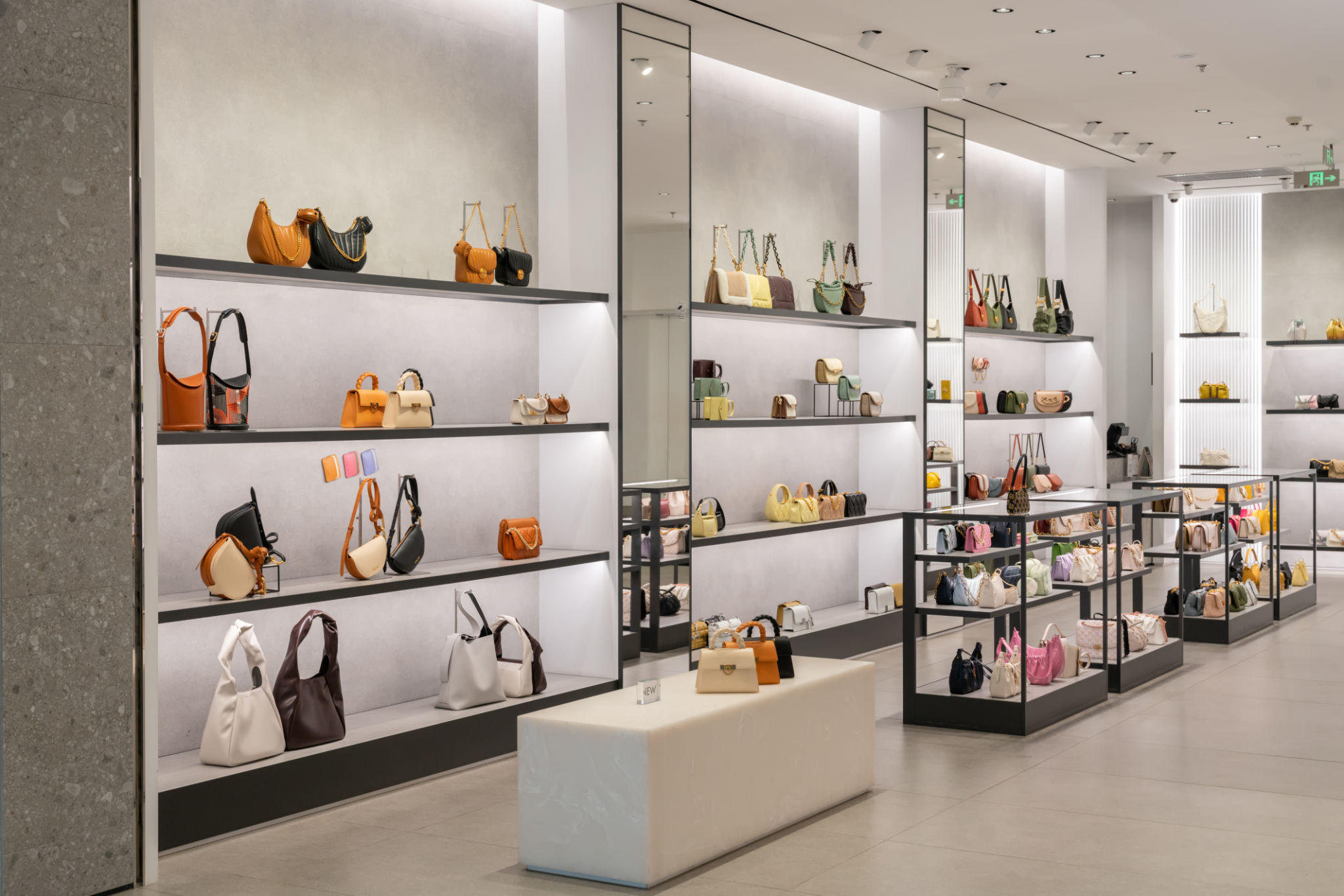
The visual aspect of sensory marketing is crucial. The way a store is arranged, the colors used, and the lighting all contribute to a customer's perception. Bright, welcoming lights can make a space feel inviting, while strategically placed color schemes can evoke specific emotions. For instance, blue might convey trust, while red can create a sense of urgency or excitement.
Retailers can also use digital displays to attract attention and communicate brand messages effectively. These displays can be updated regularly to showcase new products or promotions, keeping the visual experience fresh and engaging for returning customers.
Soundscapes that Influence Mood
Music and sound play a significant role in shaping the atmosphere of a retail space. The right background music can enhance the shopping experience, making it more enjoyable and encouraging customers to linger longer. Upbeat tunes might energize shoppers, while softer music can create a relaxed ambiance.
It's important for retailers to match the soundscape to their brand identity and customer demographics. For example, a trendy clothing store might opt for contemporary hits, while a luxury boutique may choose classical music to reinforce a sense of elegance.
The Impact of Scent
Smell is a powerful sense that can evoke memories and emotions. Retailers can utilize scents to create a welcoming atmosphere or highlight specific products. For instance, a bakery might diffuse the scent of freshly baked bread, while a spa could use calming lavender to enhance relaxation.
Implementing scent marketing requires careful consideration of the target audience and the brand's message. Subtlety is key; overpowering scents can drive customers away rather than attract them.

Tactile Engagement
Allowing customers to touch and feel products can significantly influence their purchasing decisions. Textures and materials can convey quality and value, helping customers form a tangible connection with the products. Retailers should create opportunities for tactile interaction by displaying sample products or offering demonstrations.
Tactile engagement not only enhances the shopping experience but also builds trust and confidence in the product’s quality.
Incorporating Taste
Though not applicable to all retail settings, offering samples can be a powerful sensory marketing tool. Grocery stores, cafes, and gourmet shops often provide taste tests to engage customers. This direct interaction can lead to immediate purchases and encourages word-of-mouth promotion.
When implementing taste marketing, it's essential to ensure that the samples align with the brand’s quality and image, leaving a lasting positive impression on consumers.

Creating a Cohesive Sensory Experience
To achieve retail success through sensory marketing, it's vital to integrate all five senses into a cohesive strategy. Each element should complement the others, creating a harmonious and immersive environment. A well-orchestrated sensory experience can differentiate a brand, drive customer engagement, and ultimately increase sales.
Retailers must continuously evaluate and adapt their sensory marketing strategies to stay relevant and appealing to their target audience. By focusing on creating a memorable and emotional connection, sensory marketing can transform the retail experience into something truly exceptional.